


Colorado Hail and Storm Damage Specialists
Colorado’s Front Range is one of the most hail-prone regions in the country. The corridor from Colorado Springs to Fort Collins sees more damaging hailstorms per year than almost anywhere else in the U.S.
When a storm hits, you need a roofer who can respond fast, document the damage properly, and get your insurance claim moving. That’s what Horsepower Roofing does.
We’re HAAG Certified Inspectors, the same certification insurance companies use to train their own adjusters. When we write a damage report, it speaks the same language your insurance company does.
How to Know If Your Roof Has Storm Damage
After a hailstorm, your roof might look fine from the ground. That doesn’t mean it is.
Signs you can see from the ground:
- Dented or dinged gutters and downspouts
- Damaged siding, window screens, or outdoor AC units
- Shingle granules collecting in your gutters or at the base of downspouts
- Visible dents on metal roof vents or flashing
Signs a roofer will find on the roof:
- Circular cracks or bruises in shingle surfaces
- Exposed fiberglass mat where granules have been knocked loose
- Cracked or split shingles
- Dented or punctured flashing around vents and chimneys
- Soft spots where the impact compromised the shingle’s integrity
Hail damage isn’t always obvious, and it doesn’t always cause an immediate leak. But compromised shingles will fail faster. What looks like minor cosmetic damage today becomes a water intrusion problem a year from now.
Why Quick Action Matters
Insurance Deadlines
Most homeowner’s insurance policies in Colorado have a deadline for filing storm damage claims. This is typically one year from the date of the storm, but some policies have shorter windows. Waiting too long can mean a denied claim.
Secondary Damage
A hail-damaged roof that isn’t repaired will develop leaks over time. Water gets under cracked shingles, saturates the underlayment, and rots the decking. A $10,000 insurance-covered roof replacement can turn into a $15,000+ repair if water damage spreads to the attic, insulation, or interior walls.
Documentation Matters
The sooner we inspect after a storm, the easier it is to tie the damage directly to that specific weather event. Insurance companies want clear evidence that the damage was storm-caused, not wear-and-tear. A prompt inspection and report makes that case.
Our Storm Damage Process
Step 1: Free Emergency Inspection
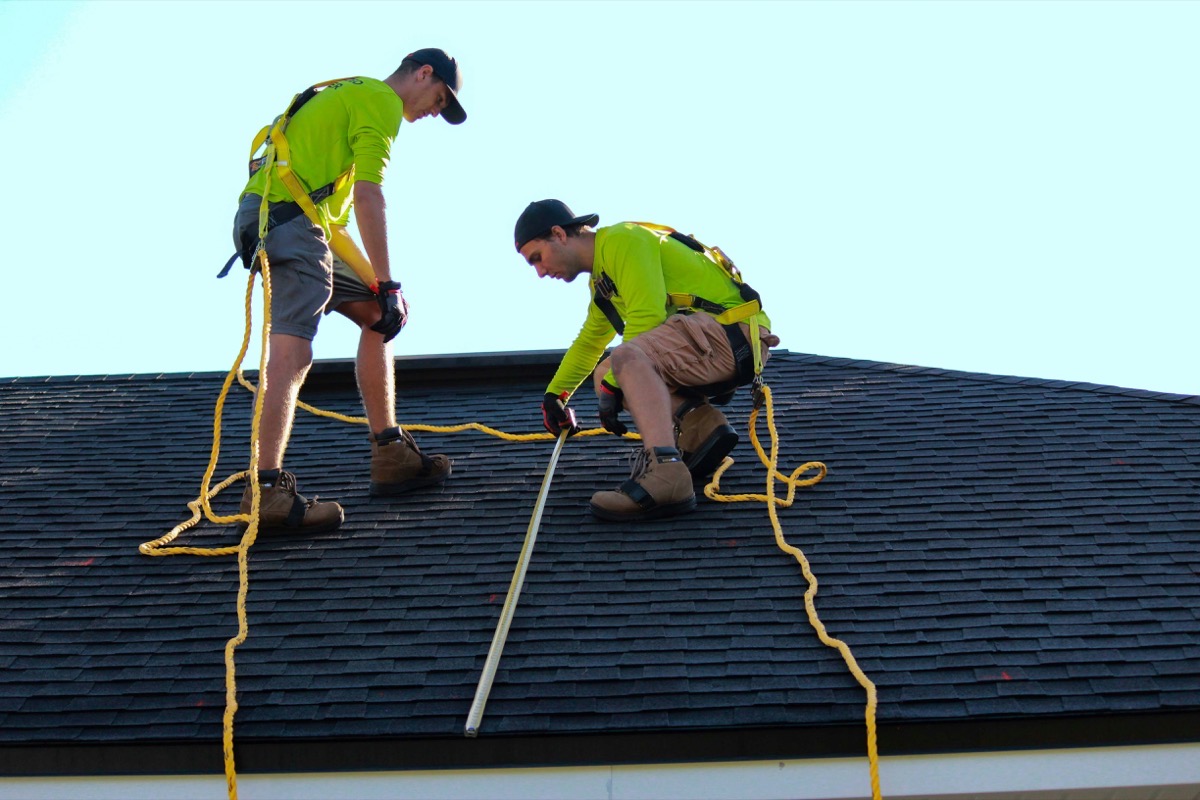
Call us after a storm and we’ll get out to your property quickly. We inspect your entire roof: shingles, flashing, vents, gutters, and any other exterior surfaces. We photograph and document every area of damage.
Step 2: Damage Report
We put together a detailed inspection report with photos, measurements, and descriptions that match the format insurance adjusters expect. This report is yours whether you hire us or not.
Step 3: Insurance Claim Filing
We walk you through filing the claim with your insurance company. We know what information they need and how to present it. No guesswork.
Step 4: Adjuster Meeting
When your insurance company sends an adjuster, we meet them at your property. We walk the roof together, point out every area of damage, and make sure nothing gets overlooked. Our HAAG certification means we’re speaking the same technical language as the adjuster.
Step 5: Repair or Replacement
Once your claim is approved, we schedule the work. If the damage is limited, we repair. If the roof is compromised across a wide area, we do a full roof replacement. Either way, we match the approved scope of work and make sure the job is done to manufacturer specifications.
Step 6: Final Documentation
After the work is complete, we provide full documentation. Photos, materials used, and warranty information all go in your files for future reference or resale.
Insurance Claim Assistance
Dealing with insurance after a storm is stressful. The paperwork, the phone calls, the adjuster visits. It’s a lot when you’re also dealing with a damaged home.
Here’s what we handle for you:
- Initial documentation: professional-grade photos and damage reports
- Claim filing guidance: we tell you exactly what to say and submit
- Adjuster coordination: we meet them on-site and walk the roof together
- Supplement requests: if the initial scope misses damage, we file for additional coverage
- Communication: we stay in the loop with your insurance company so you don’t have to
We don’t charge for inspections, and we don’t charge for helping with your claim. Our goal is to get your roof fixed right, covered by insurance, with as little hassle for you as possible.
Emergency Inspections Available
If a storm just hit and you’re worried about active leaks or structural damage, call us. We prioritize emergency inspections and can often get to your property within 24 hours of your call.
If there’s an active leak, we can install temporary protection (tarping) to prevent further water damage while the insurance process moves forward.
Areas We Serve
We respond to storm damage calls across Colorado’s Front Range and mountain communities:
- South Metro: Parker, Castle Rock, Elizabeth, Lone Tree, Highlands Ranch
- Mountain Towns: Steamboat Springs, Breckenridge, Frisco, Keystone, Winter Park, Estes Park, Craig, Meeker, Granby, Kremmling
Storm damage and wildfire risk often go together
Hail that strips shingles and dents vents creates leak risk — and ember entry points. A cracked vent screen or damaged soffit is all a wind-driven ember needs. If your home is in a fire-risk area, we check for both during an inspection. Learn about our Wildfire Hardening System.